 blog
7 Alternatives to Traditional Wedding Cake Tables
Last Updated: November 1, 2026
Quick Summary
Alternatives to traditional wedding cake tables include suspended and wall-mounted displays, pedestal setups, dessert carts, and full dessert spreads with cupcakes, mini cakes, and macarons. Removing the table saves floor space, but each format needs confirmed rigging, access, and serving plans. Plan one to two dessert portions per guest for a full spread.
- Suspension is a rigging decision: confirm venue permission, rated load, and insurance before committing.
- A pedestal display holds less dessert, so pair it with a secondary station for large guest lists.
- Perishable desserts should not sit at room temperature for more than about two hours.
- Build a buffer of at least 30 to 60 minutes between setup and guest arrival.
- A common staffing pattern is one staff member per 50 to 75 guests for a restocked dessert station.
Table of Contents
- Why Couples Are Rethinking the Wedding Cake Table
- 1. Wedding Cake Display Ideas That Skip the Table Entirely
- 4. Wedding Dessert Bar Ideas That Put Guests in Charge
- 5. Portion Planning: How Much Dessert Per Guest
- 6. Setup, Serving, and Venue Logistics
- 7. Dietary Requirements and Allergen-Aware Displays
- Choosing Your Display With Confidence
- Frequently Asked Questions
Why Couples Are Rethinking the Wedding Cake Table
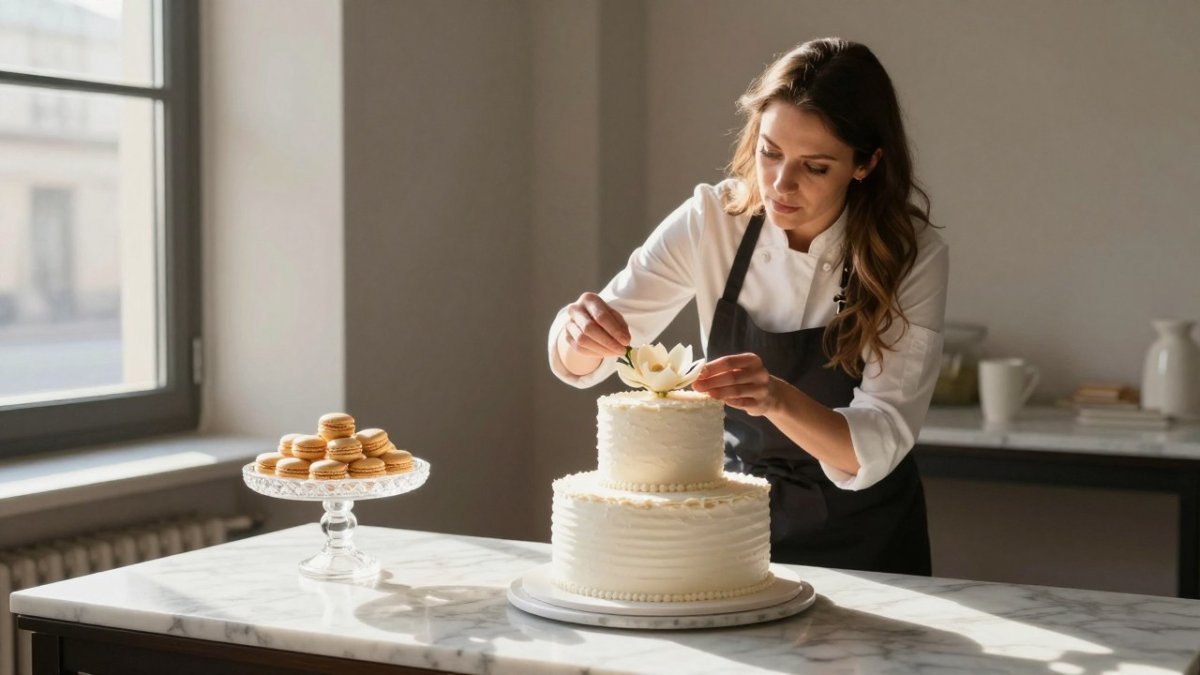
Wedding cake tables used to be automatic: a round table in the corner, a white cloth, a tiered cake in the middle. Shifting the focus away from a solitary dessert display encourages a cohesive design aesthetic that extends to other decor elements, such as the creative wedding centrepiece alternatives that help define the atmosphere of each guest table.
At Violet Cake Co, we build couture cakes for couples who want a centerpiece, not a formality. But we also know the table itself is optional. What follows is a practical guide to replacing it, covering display formats, portion math, venue logistics, and allergen-aware spreads.
The core argument here is simple: the cake table is a container, not a tradition. Once you separate the two, your options open up.
1. Wedding Cake Display Ideas That Skip the Table Entirely
The most direct answer to the query is to remove the table from the floor plan, not just the cake.
Suspended and hanging displays. A suspended cake hangs from a rigging point above the dance floor, head table, or lounge.
Wall-mounted and shelf displays. Floating shelves, pegboards, and wall-mounted ledges move dessert off the floor entirely. They suit venues with a strong feature wall and tight circulation. The trade-off is capacity: a shelf holds fewer portions than a table, so pair it with a secondary station if your guest list is large. Shelves also put dessert at eye level, which improves visibility and reduces the chance guests miss the station.
Carts and mobile stations. A dessert cart rolls to guests rather than waiting for guests to come to it.
(https://www.violetcakeco.com/cupcakes) to see cupcake flavors, mini designs, and decorated options. They come in individual portions, they need no cutting, and they scale easily to guest count. Mini cakes give you the look of a tiered cake in a smaller format, while cake pops add height and color to a tiered display.Macaron Towers and Pavlova
Macaron towers and pavlova bring a different texture to the spread. A macaron tower stacks individual cookies into a tiered display that doubles as decor. Pavlova and meringue desserts add a crisp, airy contrast to heavier cakes and cookies, and both hold up well on a dessert stand.
4. Wedding Dessert Bar Ideas That Put Guests in Charge
A dessert bar hands the assembly to your guests, which changes the energy of the whole station. Wedding dessert bar ideas that work well include a donut wall, a waffle bar, a popcorn station, and dessert shots.
The donut wall is the most photographed option: a pegboard or wooden stand holding individual donuts, guests pull one as they pass. A waffle bar adds a warm, interactive element.
A common mistake is overbuilding the bar. Two or three stations with clear signage beat six stations with no flow. Keep the bar against a wall so guests can queue without blocking traffic.
5. Portion Planning: How Much Dessert Per Guest
Portion planning is where most alternative displays succeed or fail. The general rule is to plan one to two dessert portions per guest when you are serving a full spread, and slightly more if dessert replaces the cake cutting entirely.
Slice size drives the math. For a detailed walkthrough, see this guide on how to choose the right amount of wedding cake servings. A larger guest count with smaller slices stretches a cake further; a smaller guest count with generous slices calls for more volume.
The article's portion math comes down to a few simple figures.
| Item | Value | Note |
|---|---|---|
| Dessert portions per guest | One to two | For a full spread |
| Portions when dessert replaces cake cutting | Slightly more | Than one to two per guest |
| Counting mixed formats | One item equals one portion | Cupcake, cake pop, macaron, or slice |
| Perishable desserts at room temperature | About two hours maximum | Cream-filled cakes, custards, dessert shots with dairy |
| Setup buffer before guest arrival | At least 30 to 60 minutes | Time to correct a problem |
| Staff per guests for restocked station | One per 50 to 75 guests | Confirm ratio with caterer |
| Restocking schedule | Once mid-reception and once before last hour | Make sure staff know limited items |
6. Setup, Serving, and Venue Logistics
Logistics decide whether a beautiful display survives contact with a real venue. The four variables that matter most are delivery timing, temperature control, serving labor, and replenishment.
Delivery and setup timing. Deliver as close to the reception as the venue allows. Buttercream, meringue, and chocolate dislike heat, and an outdoor display in direct sun will not hold.
Temperature and food safety. Perishable desserts, cream-filled cakes, custards, pavlova with cream, dessert shots with dairy, should not sit at room temperature for more than about two hours. Plan the display so perishable items go out closer to serving and are replenished from refrigeration rather than piled high at the start. Non-perishable items (macarons, cookies, cake pops, donuts) can hold longer and should anchor the display while perishables rotate in.
Serving labor. Serving labor is the quiet cost. A plated cake needs someone to cut and plate it; a dessert bar needs restocking and tidying. Ask your caterer what they cover before you assume. A common pattern is one staff member per 50 to 75 guests for a passed or restocked dessert station, but confirm the ratio with your caterer rather than budgeting from a rule of thumb.
Replenishment and guest flow. Keep the station against a wall so guests can queue without blocking traffic. Two or three stations with clear signage beat six stations with no flow.
Cost drivers. Delivery and setup charges depend on venue location, installation complexity, and venue requirements. Read more on wedding cake delivery and setup pricing at San Diego venues. You can also review wedding cake prices in San Diego to compare sizes and options.
Venue-specific constraints to confirm in writing:
- Vendor access windows and load-in route
- Refrigeration and staging space
- Power availability for lighting or chilled display
- Insurance and rigging requirements
- Takedown time and disposal responsibilities
A display that clears all five is a display that will actually work on the day.
7. Dietary Requirements and Allergen-Aware Displays
An allergen-aware display protects guests and prevents a bad moment at the dessert station. The core practice is separation and labeling, not exclusion.
Label every item clearly, and place labels where guests see them before they pick something up. Cross-contact is the real risk, so avoid shared tongs and shared surfaces.
The FDA guidance on food allergen labeling sets the labeling standard for major allergens, and it is worth reading before you finalize a menu. For guests with celiac disease, the Celiac Disease Foundation's resources explain why cross-contact matters as much as ingredients.
Choosing Your Display With Confidence
The cake table is one decision among many, and it is reversible right up until your final venue walkthrough. Start with your floor plan, then your guest count, then your dessert formats. The display follows.
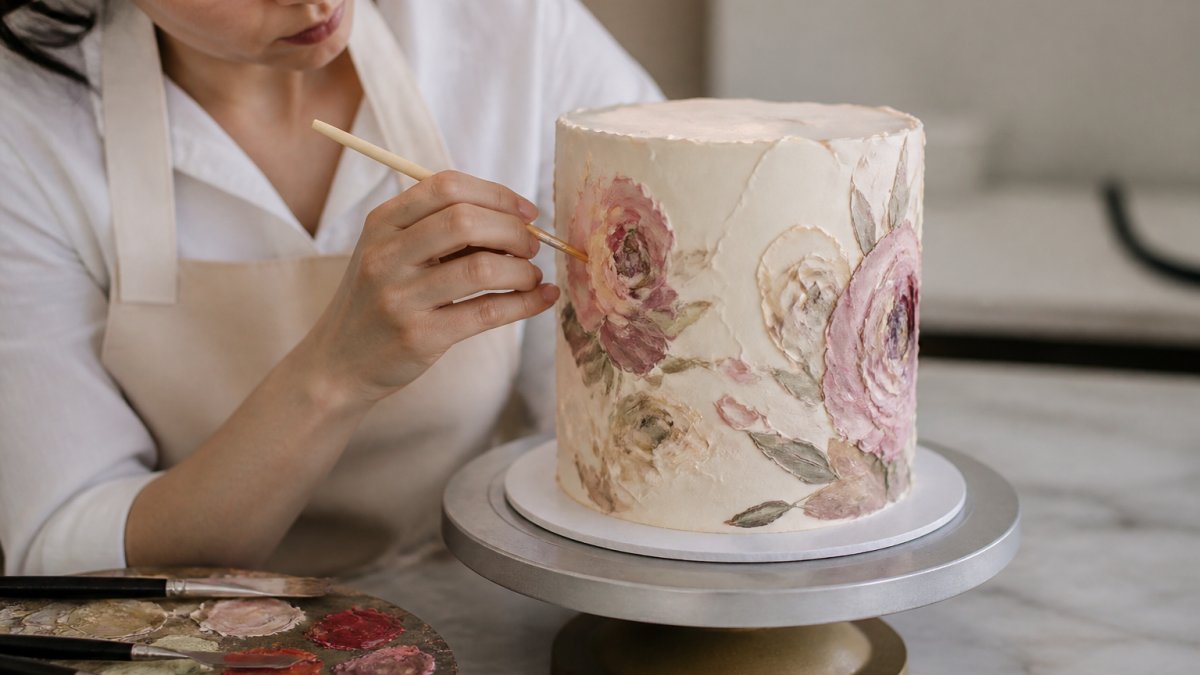
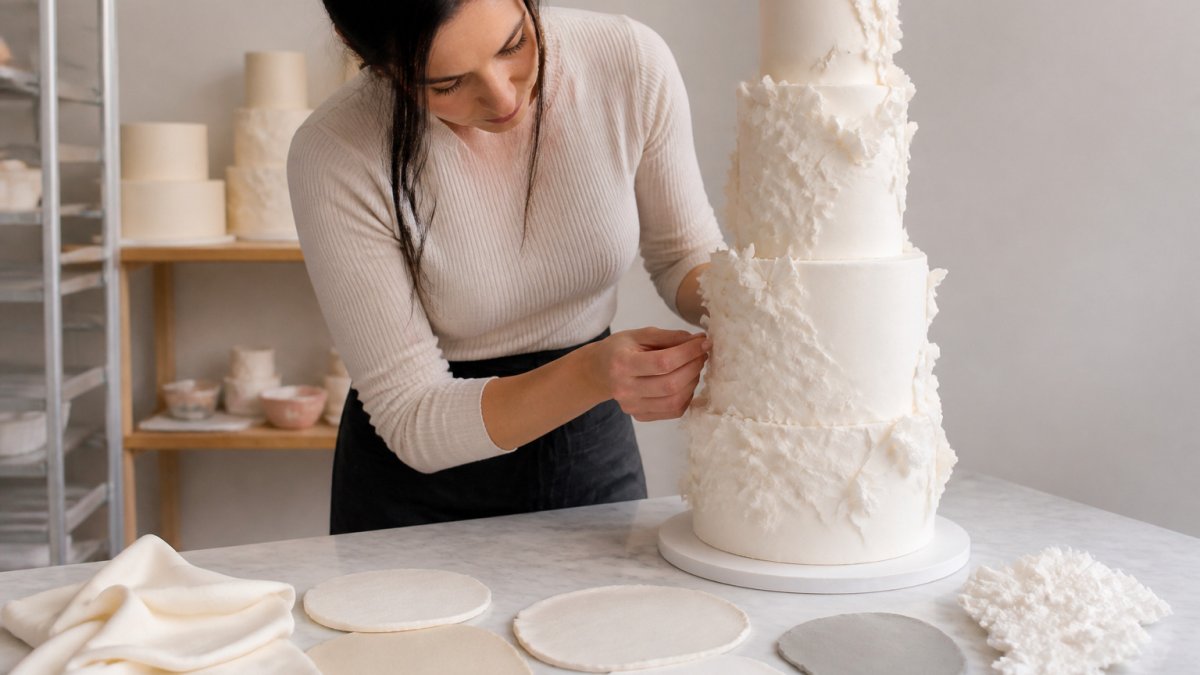
At Violet Cake Co, we design bespoke cakes as centerpieces that work with or without a traditional table. Our fine-art training from USC's Roski School of Fine Art shapes our bespoke designs, and our hand-crafted sugar florals and flavor-first recipes are at the heart of every cake. We offer a professional design consultation to help plan your centerpiece.
Get started with Violet Cake Co and design a centerpiece your guests will remember.
Frequently Asked Questions
What can you use instead of a traditional wedding cake table?
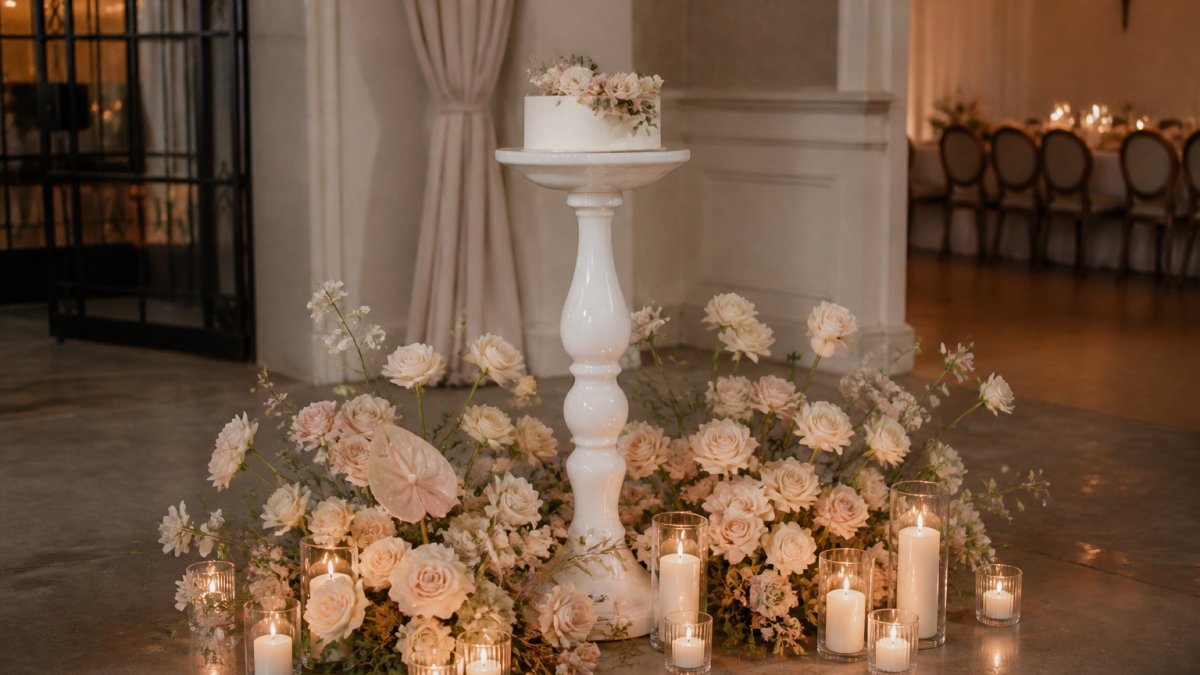
You can display your cake on a pedestal stand, a tiered display, a wooden cart, or a styled bar cart. Pedestals work well in tight venues because they use vertical space. If you skip the cake entirely, a dessert bar with cupcakes, macarons, and pie gives guests more options and spreads the crowd. Choose based on your venue's floor plan, your wedding theme, and how many desserts you're serving.
How do you keep a wedding cake display stable and food-safe?
Place the display on a level surface away from high-traffic paths and direct sun. Use a sturdy stand rated for the cake's weight, and ask your venue about refrigeration access before the reception. For outdoor setups, avoid direct heat and cover desserts until serving. Your baker should deliver and set up the cake themselves. Violet Cake Co handles delivery and setup so the cake arrives intact and stays stable through the event.
How much dessert should you plan per guest at a wedding?
For a plated cake course, plan one slice per guest. If you're serving a dessert bar alongside a cake, estimate two to three small items per guest across all options. Couples often over-order because they fear running out, but a 10% buffer above your guest count is usually enough. If you're serving only individual desserts without a cake, plan three to four pieces per guest since dessert becomes the main event.
Can a wedding cake be displayed on a pedestal instead of a table?
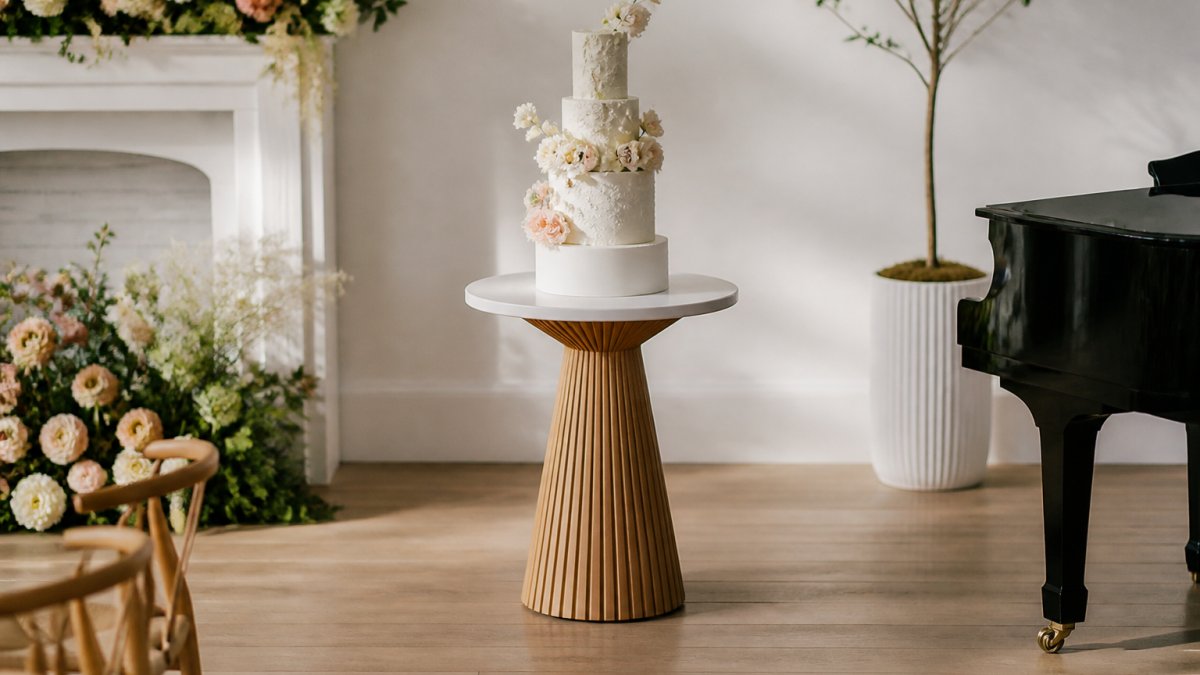
Yes. A pedestal display is one of the most practical wedding cake pedestal display options, especially in venues with limited floor space. It raises the cake to eye level, makes it a visual focal point, and leaves room for floral accents at the base. Choose a pedestal with a wide, weighted base and a top surface at least two inches larger than the cake board. Confirm the venue can accommodate the height and that the cake can be safely delivered and lifted onto it.